

Clean, Preserve, and Store All Gear Together
As we close out another ski and snowboard season, it’s nearing time to prepare and store our beloved boots, skis, boards, and other essential gear for the summer. Just like cars require regular oil changes and grills need a deep clean before being covered for the winter, skis and snowboards need just as much, arguably more fine-tuning heading into post-season. Believe it or not, preventive maintenance and expert storage techniques will go a long way when you get ready to click into your skis again next winter. Follow our simple guidelines for cleaning, preserving, and storing gear together to prolong the life of your beloved gear and be ready to go when the snow starts falling.
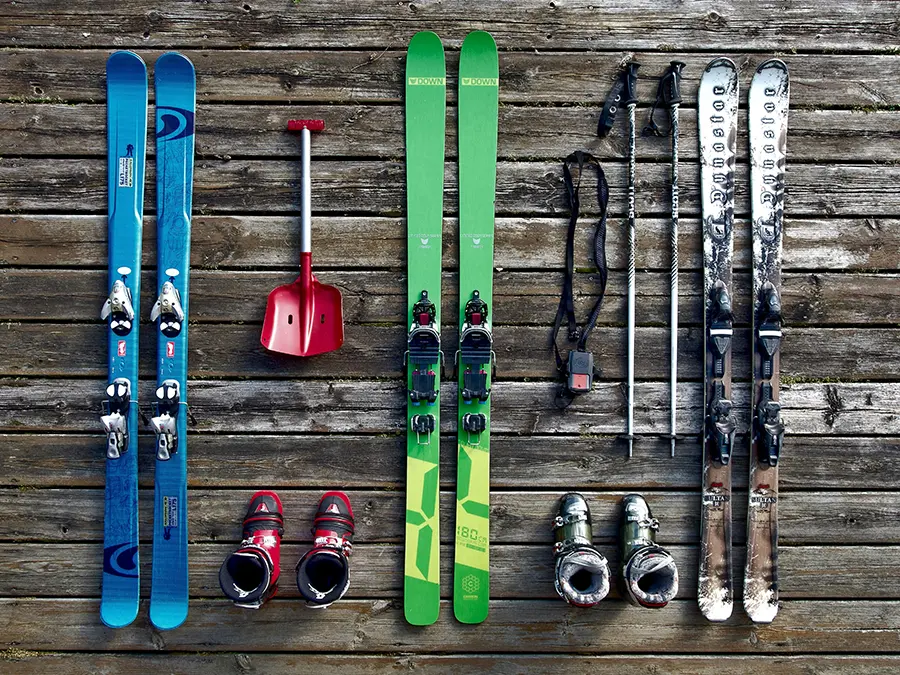
Step-by-Step: How to Store Skis & Snowboards for the Summer
The level of attention skis and snowboards require depends upon how often, or how hard, they've been used. To ensure all bases have been covered, many ski bums drop their skis or boards off at a local shop for an all-around tune-up. The pros at these shops have the tools, work space, and knowledge to get your gear in mint condition, no matter how hard you shredded this season. However, if you just can’t resist a DIY job and choose to challenge yourself with this task, be sure to properly follow the manufacturer’s instructions from start to finish. Plus, we’ve included some general guidelines to follow, which should help keep you on the right track.
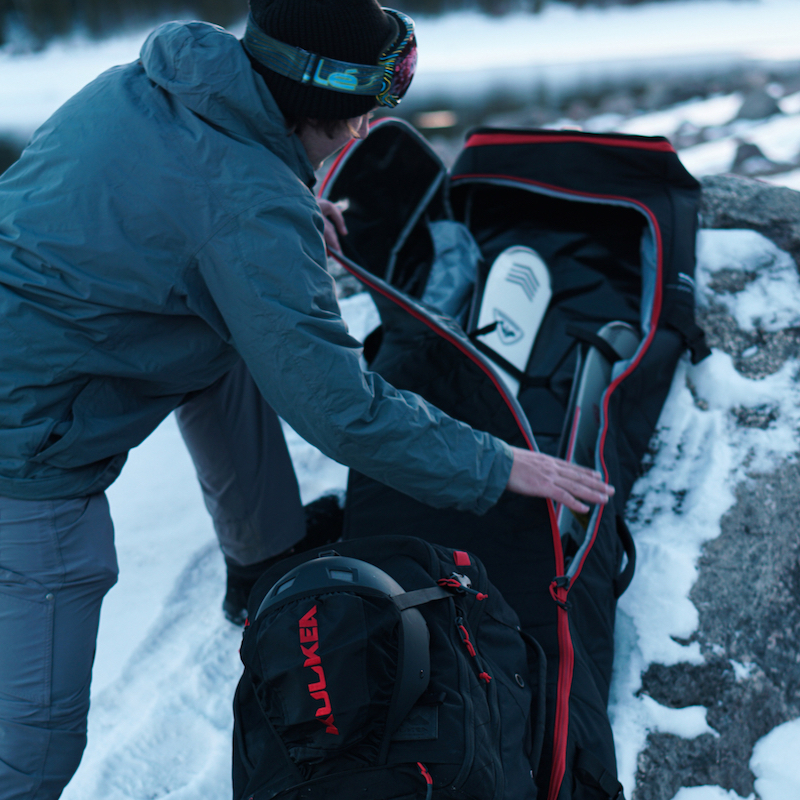
1. Clean Your Skis or Board Thoroughly
Rinse your skis or board, either with a hose or in the shower, to wipe away any remaining debris and water. Use a soft, yet durable cloth to do so, and then let your equipment air dry.
2. Remove Rust from Ski Edges
While this takes a bit more muscle, it’s crucial that you remove any visible rust from the edges. This can be done with a Gummy stone, Scotch-Brite pad, or fine-medium steel wool.
3. Dry Splitboard Skins
This step is a bit more niche, as it only applies to snowboarders with a splitboard. Rather than sticking your skins together, a key factor in the maintenance process is drying them completely, which can be done using mesh or film. If not dried properly, the skins will likely lose their adhesive strength, setting you back for the following season.
4. Remove Old Wax
Keeping your skis and board waxed up is always a plus on the slopes, but it’s important to remove any old remnants for the off-season. We recommend brushing the base a few times with a brass, copper, or bronze brush, or you can grab a plexiglass scraper. If needed, use a mild citric solution/base cleaner to complete the job.
5. Apply Fresh Wax to Protect the Base
Once you’ve scrubbed off the old wax, apply a fresh coat generously to the base and edges to protect them from moisture and rust. Hot waxing is generally most effective, but rub-on waxes should still do the trick. Just be sure to stay away from liquid waxes for storage purposes. With snowboards, especially, experts say this new layer of wax is one of the most critical parts of the upkeep process.
While this might seem like a year away, let this serve as a reminder to scrape off the excess wax before you strap in next season. Always best to start from scratch before you buckle up!
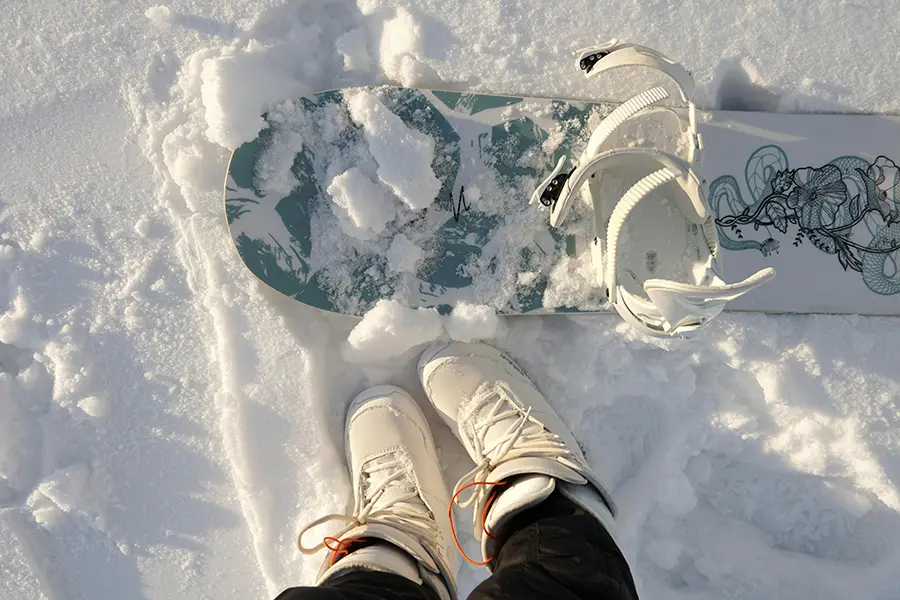
How to Store Ski Boots, Bindings, Poles, & Goggles
Should You Loosen Ski Bindings for Summer?
Experts often have varying opinions on the best way to store bindings in the off-season. With skis, some suggest releasing the tension in the bindings by backing them off to the lowest setting, as this is said to extend the life of the binding. However, others advise leaving the bindings as is. This way, you won’t have to worry about resetting the bindings next season, as for some skiers, it takes a few tries to get that ideal setting. Like most things in life, though, it all comes down to personal preference.
Snowboards are a whole different story, with Burton strongly urging that you remove the binding completely to carefully examine all moving parts. This includes screws, straps, and buckles. To ensure you don’t lose any of these small pieces in the off-season, it’s never a bad idea to tape them to your board, that way you’ll eliminate any chance of panic over missing parts.
How to Store Ski Poles and Small Accessories
The protocol for storing poles is quite simple. Just strap or tie your poles together, and then hang, lay, or stand them up near your skis.
How to Store Boots So They Keep Their Shape
First thing’s first, ski and board boots should be wiped down and aired out entirely. If your boots are still wet, remove the soft inner liner and lay them out to dry before reinserting them for storage. Before packing them away for good, don’t forget to inspect your boots thoroughly for cracks, broken buckles, or torn straps that may require repair or replacement. This way, you can be fully prepared when it’s time to clip in next season!
Best Way to Store Goggles Without Damaging Anti-Fog Lenses
- When your goggles are dry, gently wipe the outer lens with a soft lens cloth.
- Be sure not to touch or wipe the inside of the lens, as touching or wiping the inside will remove and smear the anti-fog coating, which may cause your goggles to fog up in the future. If cleaning the inner lens is absolutely imperative, gently blot it with a lens cloth, unless otherwise instructed by the manufacturer.
- Once they’re clean, store goggles in a soft, protective covering. The pouch you purchased them in is always a safe place, or better yet, utilize the designated area of your boot bag.
How to Store Ski Clothing and Outerwear
Start by carefully inspecting your apparel for any potential damage, such as a rip, damaged pocket, or missing zipper. Damage is never ideal, however, it’s better to know now for the sake of warranty and end-of-season sales. Once you’ve identified any damage, give your gear a good cleaning, per the manufacturer’s instructions, and let it dry completely.
Best places to Store Ski Gear in the Summer
- Store skis, boards, boots, and all other gear in a temperature-controlled environment, away from heat, sunlight, and moisture. Heat will dry out your equipment, plastics, and fabrics, while moisture will promote rust on ski edges and other metals.
- Sufficient storage locations are typically closets, spare rooms, or even under a bed.
- It’s important to note that unfinished attics, basements, and garages, while common storage spaces, should actually be avoided when trying to preserve your gear. These areas are found to be, in many cases, far too dry, wet, or hot.
- Avoid storing skis on a concrete floor, as concrete is porous and often releases moisture, which can easily rust the edges.
- To strap or not to strap? It’s certainly not required for all ski models, but strapping the tips and tails can help maintain the shape of your skis. Strapping with a non abrasive material will help keep the skis together and prevent scissoring. Just be sure not to strap the camber or middle sections of the skis unless otherwise instructed by the manufacturer.
- No matter where you choose to store your skis, they should be laid flat on their sides without anything on top. Additionally, most skis endure storage better when the camber is not compressed, but as always, refer to the manufacturer’s instructions, as this can differ by brand.
Keep Equipment Organized and in One Place
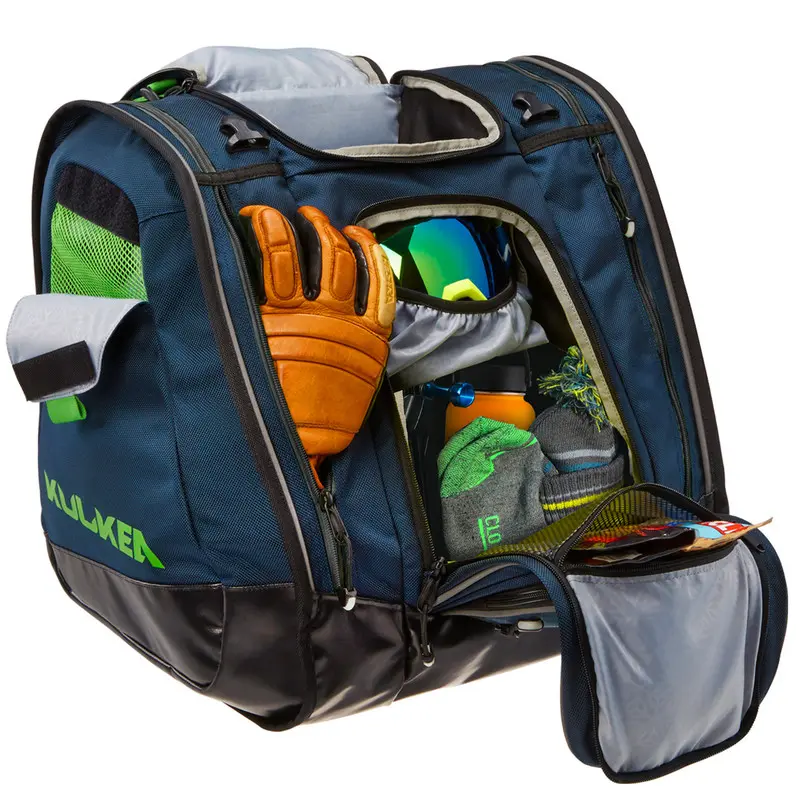
If you consider yourself to be an organized, proactive rider during peak season, then you certainly shouldn’t drop the ball during the off-season! We’re confident that if you follow what might seem like a tedious maintenance process now, you’ll be extra thankful when you hit the slopes next season. Designate a specific storage space to keep all gear and apparel organized and in one place during the summer months. It helps to use a bag that has specific pockets for each item, so it’s nearly impossible to lose track of the smaller pieces. Storing gear and apparel in an organized manner now will likely help you avoid that scramble for a missing sock post-summertime!
Common Off-Season Ski Storage Mistakes to Avoid
One of the biggest off-season ski storage mistakes is putting gear away before it's completely dry. Even the smallest amount of lingering moisture inside boots, gloves, or bindings can lead to mildew, rust, and likely some unpleasant odors come next winter. Additionally, avoid leaving your gear in places that vary in temperature - such as damp basements, humid attics, or garages that are often exposed to summer heat - as excessive heat and moisture tend to impact the materials over time. Lastly, stay away from adding unnecessary pressure to your equipment. This can be done by lightly buckling your boots to hold shape, loosening any tight straps, and storing goggles in a protective case to prevent lens scratches.
Yes, this may seem like a lot of prep, but trust us, it goes by quickly once you get into the groove of things. At Kulkea, we love making the end-of-season wrap-up into a fun afternoon by turning up our favorite playlist, sipping on a cold beverage, and welcoming in the change of seasons. Plus, come September, you and your gear will thank you!
Using an efficiently designed boot bag, such as the Kulkea Boot Trekker, is a proactive method for storing gear and apparel in the off-season. With its large capacity and intuitive packing system, the Boot Trekker makes the transition from surfing to skiing easier than ever. From packing boots in ventilated side boot pockets, housing goggles in the soft goggle pouch, to sliding a helmet in the retractable helmet sling, the Boot Trekker centralizes and keeps your gear expertly organized. Just load it up, tuck your Trekker away in a temperature-controlled space, and you’ll be ready to ride next autumn. If spring skiing has taken a toll on your Boot Trekker and you’re sensing some added moisture, we’ve got a simple solution for you. Using some water, hand-wipe the bag wherever necessary, and let it air dry completely before packing up. Now that your post-season storage is underway, it’s time to enjoy that summer sun, knowing you’ll be more than ready to take on the snow when the lifts start turning again.